




Rental Car Safety Checks You Should Never Skip
The fastest way to ruin a vacation is discovering a vehicle problem after you’ve already left the parking lot. Choosing a trusted local car rental service is a smart first step, but spending five extra minutes inspecting the vehicle before driving away can save hours of frustration later. A rental car may look spotless on the outside while hiding small issues that deserve attention. Fortunately, most of these checks are simple and take very little time. So, make sure you’ve got these checks right, and a smooth ride will be yours. Find out the safety checks here.
Walk Around the Vehicle Before Leaving
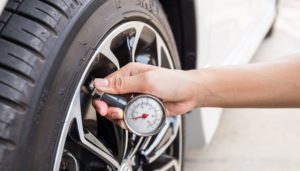
Start with a slow walk around the entire car. Look for scratches, dents, cracked lights, chipped windshields, or damaged mirrors. If you notice anything unusual, take clear photos and notify the rental company immediately. Those images can prevent misunderstandings when returning the vehicle. Don’t forget the tires during your inspection. Look for visible damage or noticeably low air pressure. A tire shouldn’t appear unusually flat compared with the others. While rental companies perform maintenance, a quick visual inspection provides extra peace of mind before beginning your trip.
Test the Lights and Safety Equipment
Before leaving the parking area, switch on the headlights, brake lights, turn signals, and hazard lights. If you’re traveling with another person, ask them to confirm everything works correctly while you operate the controls. If you’re alone, reflections from nearby windows can help you perform a quick check. Inside the cabin, confirm the horn works properly and fasten every seat belt to ensure it locks securely. These systems rarely receive much attention until they’re needed. Spending a minute checking them now is far better than discovering a problem during an emergency.
Adjust the Driving Position Before the Journey Begins

Every rental vehicle feels a little different. Before shifting into drive, adjust your seat, steering wheel, mirrors, and headrest until you feel comfortable. A proper driving position reduces fatigue and improves visibility throughout the trip. Take a moment to familiarize yourself with the controls as well. Locate the windshield wipers, headlights, emergency brake, fuel door release, and climate controls. Nobody wants to search for the defroster during an unexpected rainstorm.
Check Fuel, Fluids, and Dashboard Alerts
Turn on the engine and glance at the dashboard before moving. Warning lights should disappear after startup, except for reminders like the parking brake if it’s still engaged. If any engine, brake, or tire pressure warning remains illuminated, notify the rental company before leaving. Also check the fuel level. Confirm it matches the amount listed in your rental agreement to avoid confusion when returning the vehicle. While you’re there, verify the air conditioning and heating operate properly. Comfort matters, especially during long drives or changing weather conditions.
A Few Minutes of Preparation Can Save Your Trip
Most rental cars are well maintained, but no vehicle inspection is perfect. Small issues can occasionally slip through, making your own quick review worthwhile. Think of it as checking your hotel room before unpacking. It’s easier to address problems immediately than after you’ve settled in. These simple safety checks require very little effort but can make a significant difference throughout your journey. A careful walk-around, working safety features, comfortable driving position, and a quick dashboard review all contribute to a smoother experience. Once everything looks good, you can focus on enjoying the road ahead.…
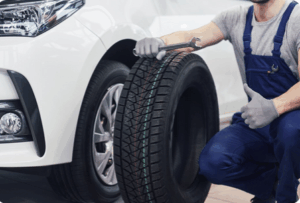 One of the smartest upgrades any driver can make is investing in high-quality performance tires. They may not look as flashy as body kits or spoilers, but they transform how your car feels on the road. Better tires provide superior traction, shorter braking distances, and improved cornering stability. They also enhance fuel efficiency when properly inflated and maintained. The difference becomes even more noticeable in wet or uneven conditions, where cheap tires can easily lose grip. It is the kind of upgrade that pays off in safety, control, and confidence every time you drive.
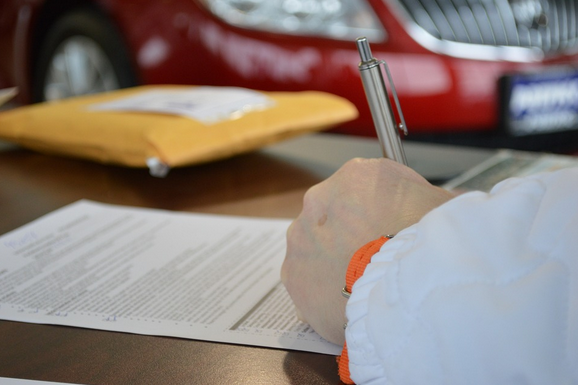

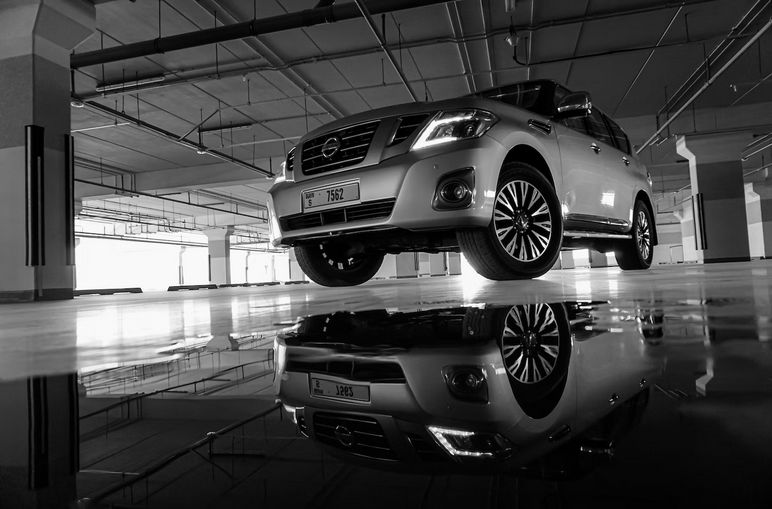

 One of the main reasons to install custom wheels on your vehicle is for increased safety. Larger and broader wheels offer better grip on the road, which can help you stay in control during hazardous driving conditions. They also provide better braking power, so you can stop more quickly if necessary. Custom wheels can also improve your vehicle’s performance. Heavier wheels can help your car accelerate faster, while lighter wheels can help you achieve better fuel economy. Choosing the right custom wheels for your vehicle can significantly affect how it handles and drives.
 If you ever need to replace a damaged or worn-out wheel, custom wheels can make it much easier to find a matching replacement. With so many different styles and designs available, you’re sure to find a wheel that’s the perfect fit for your car or truck. This can save you much time and hassle compared to finding a replacement wheel that’s the same size and style as the original. As you can see, there are many great reasons to install custom wheels on your vehicle.
 operation of the engine as well as the steering and braking components, a
  experienced mechanic, a regular visual examination of the brake discs and pads will allow you to observe the state of wear of the braking components. If your car brakes poorly, if the brakes squeal, if abnormal friction noises are heard when braking, this may be a sign that it is time to change your brakes, or at least to check them.
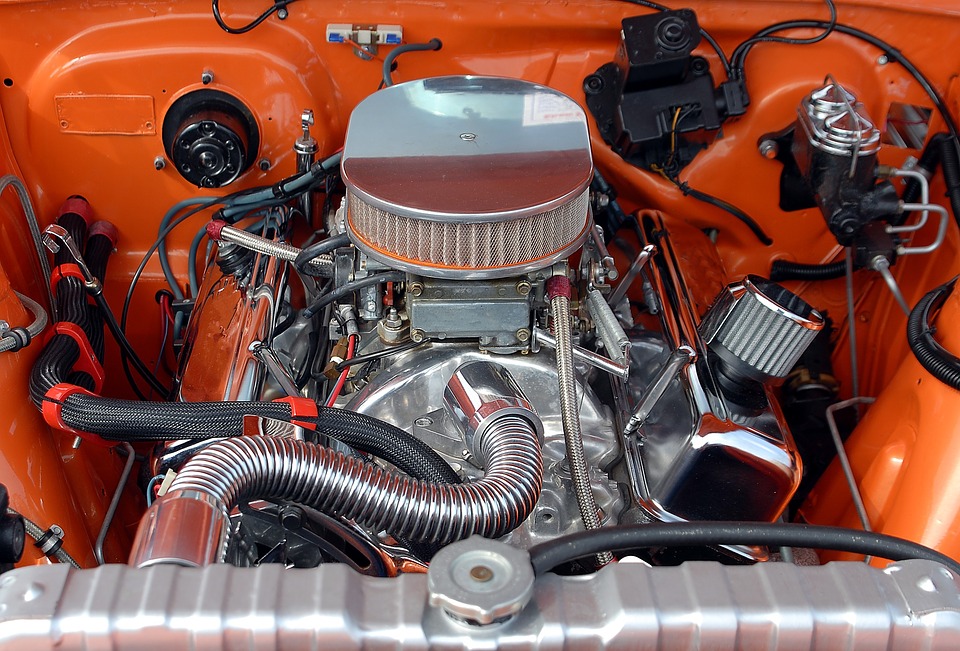 Better Performance
 Added Protection
 some tests to ascertain that you are ready to go for a particular trip. Several tests like checking for any stomach ailments are essential especially when you are going for a long journey. They will guarantee you a smooth stay in your trip.
 When checking the bodywork, you need to look for rust. It is quite obvious on the sills, wings, and below bumpers. You can also find it under wheel arches, door frame, and corners of the windscreen. Press the rust gently and if it produces cracking sounds, that will be a sign of corrosion.
 As you know, tires are the only point of contact between the road and the van. This explains why it is necessary to check the sidewalls and treads of each tire, including the spare. The sidewalls of the tires ought to be free from bulges and damage. Uneven wear suggests tracking, steering, or even suspension issues.